
Table of Contents
What Nasal Polyps Are and Why They Form
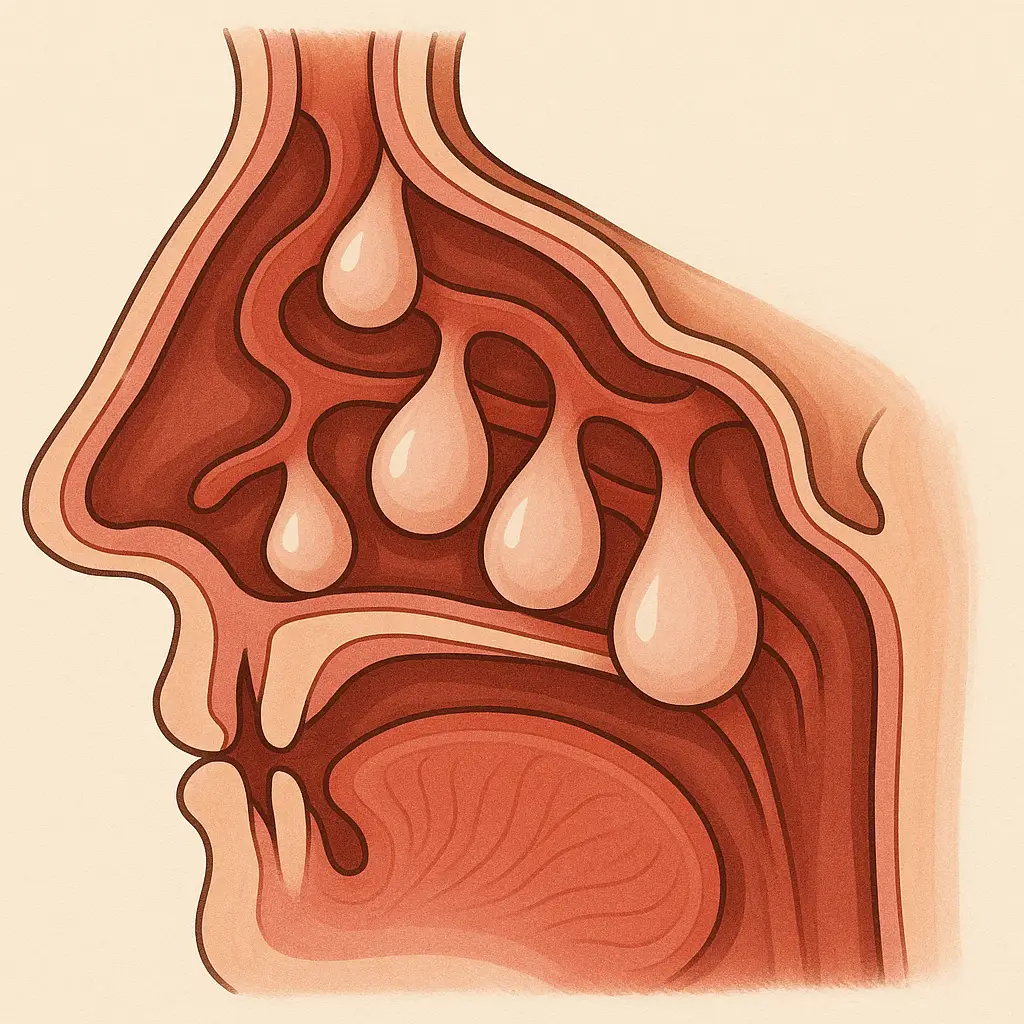
Nasal polyps are soft growths that develop when the nasal lining remains inflamed for long periods. They form due to chronic swelling rather than abnormal cell growth. In the book I explain how polyps often develop from persistent inflammation triggered by allergies, infections, or structural blockage. Polyps narrow the nasal passages and reduce airflow. They also reduce the sense of smell because they block the pathway to the smell area.
Many people assume polyps develop suddenly. In reality the process is gradual. When the lining stays swollen fluid builds inside the tissue and forms balloon-like sacs. These sacs expand and obstruct normal breathing. The book describes the typical appearance of polyps and explains why early treatment of inflammation is essential.
How Polyps Affect Daily Life
People with polyps often notice nasal blockage on both sides. They may depend on mouth breathing. They may lose their sense of smell and taste. They may experience repeated sinus infections because the drainage pathways stay closed. Medicines may give short relief but symptoms return because the underlying tissue remains swollen. If the inflammation continues polyps can regrow even after treatment.
An example from The Sinus Book explains this pattern. I have changed the name for privacy. Raheem, a 40-year-old from Hyderabad, had nasal polyps for several years. Medicines gave brief improvement but the problem returned because the root cause, chronic inflammation, remained active. After proper evaluation and a structured treatment plan including surgery and long-term medical control his symptoms improved. His sense of smell also returned.
Treatment Approach and When to Seek Help
Treatment depends on the size of the polyps and the level of inflammation. Nasal corticosteroid sprays help reduce swelling in early stages. Allergy management helps when allergies contribute to the inflammation. When polyps block the drainage pathways or cause repeated infections surgery is required to restore normal airflow. The book explains how surgery helps remove the obstruction while long-term medical care prevents regrowth.
Many people delay treatment because they assume polyps will reduce on their own. Long-standing polyps rarely shrink without proper care. Early evaluation prevents long-term changes inside the sinuses. I also explain to patients that surgery alone is not the final step. Regular follow-up and inflammation control are essential to prevent recurrence.
If you have persistent nasal blockage or loss of smell you can book a consultation with me at Dr. Rao’s ENT. To learn more about nasal polyps, sinus symptoms, and long-term care you can also read The Sinus Book.